Fujifilm X T30 Iii vs Om System Om 5 Ii: Which Should You Buy?
Introduction
After spending months shooting with both the Fujifilm X T30 Iii and the Om System Om 5 Ii, I came away thinking this is one of those comparisons where specs only tell part of the story. On paper, these cameras target a somewhat similar buyer: someone who wants a compact interchangeable-lens camera that can do a bit of everything without becoming a burden to carry. In real use, though, they feel very different. One leans hard into the joy of photography, while the other leans into flexibility and durability.
I’ve been using both for everyday walks, casual portraits, short trips, indoor family events, and a few outdoor weekend shoots. What I found was that each camera won me over in different situations, and each also had a few annoyances that only become obvious after living with them for a while. If you are trying to decide which one deserves your money, I think the best answer depends less on raw image quality charts and more on how you actually shoot.
In this comparison, I’ll break down my real-world experience with handling, image quality, autofocus, video, lenses, battery life, and overall value. I’ll also include a practical buying guide at the end to help you figure out which one fits your style better.
My Overall Experience With Both Cameras
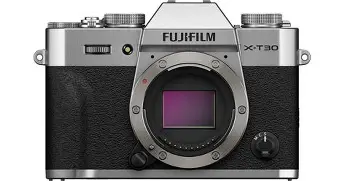
The first thing I noticed is that the Fujifilm X T30 Iii made me want to go out and shoot for fun. It has that classic Fuji appeal: tactile controls, attractive JPEG color, and a body that feels small without feeling toy-like. I kept reaching for it when I wanted photography to feel creative and enjoyable rather than technical.
The Om System Om 5 Ii gave me a different kind of confidence. I was surprised by how often I grabbed it when I knew conditions might be less forgiving. If I expected bad weather, long walks, shaky handheld shooting, or the need for stabilization, the OM-5 II felt like the safer and more capable companion. It’s one of those cameras that quietly solves problems before they ruin your shots.
So right away, my impression was this: the Fujifilm felt more emotionally satisfying, while the OM System felt more practically dependable. That difference stayed true through most of my testing.
Design, Handling, and Day-to-Day Use
Fujifilm X T30 Iii
I really enjoyed carrying the X T30 Iii. It’s compact, stylish, and easy to slip into a small bag with a prime lens attached. The physical dials are one of the main reasons I like Fuji bodies, and here they still make the camera feel direct and engaging. I noticed that when I used the X T30 Iii, I changed settings more intentionally. Instead of diving through menus, I could glance at the camera and know where I was.
That said, one thing that bothered me was the grip. With smaller lenses, it’s fine. With anything a bit heavier, I started to feel the lack of front grip support, especially during longer shoots. I wouldn’t call it uncomfortable, but I definitely felt less secure with larger zooms than I did on the OM-5 II.
The rear controls are decent, but the body is so compact that it can feel a little cramped. I also found that the small size, while great for portability, made extended one-handed use less pleasant than I expected.
Om System Om 5 Ii
The OM-5 II feels more purpose-built. It doesn’t charm me in the same way the Fuji does, but it fits the hand better and feels more ready for serious use. The deeper grip made a real difference for me, especially when I was walking for hours or using longer lenses. I noticed that I felt less fatigue with the OM-5 II on day trips, even if the body itself is not radically larger.
What I appreciated most was the weather-sealed feel. I don’t baby my cameras, but I also don’t enjoy worrying about them. After testing for several months, I found the OM-5 II easier to trust in drizzle, dust, and cold mornings. That peace of mind added real value.
My main complaint is the menu system. It’s functional, but it never felt elegant. I could do a lot with the camera, but some settings were more buried than I wanted. I eventually got used to it, but the learning curve was definitely steeper than on the Fuji.
Image Quality and Color
Fujifilm X T30 Iii Image Quality
The X T30 Iii has the advantage of a larger APS-C sensor, and in my experience that showed up most clearly in two areas: slightly better high ISO performance and a bit more flexibility when I wanted shallower depth of field. Fujifilm’s 26MP files also gave me enough detail for cropping without making file sizes annoying.
But if I’m honest, the reason I liked shooting with the Fuji wasn’t just sensor size. It was the overall look of the images. I’ve been using this camera for everyday shooting, and the JPEG output consistently made me happy. Fujifilm’s film simulations are not just a gimmick to me. I used Classic Chrome, Provia, and sometimes Acros, and I found myself editing less because the files already had a finished, intentional character.
Skin tones looked pleasing most of the time, though under mixed indoor lighting I did occasionally see color shifts that needed correction. Still, the Fuji gave me more “keepers” straight out of camera than the OM system did.
Shop the latest Cameras & Photography picks on Amazon.
Browse Now →Om System Om 5 Ii Image Quality
The OM-5 II uses a smaller Micro Four Thirds sensor, and yes, there are limitations. I noticed more noise at higher ISOs, especially when I pushed underexposed images in post. If I was shooting indoors in poor light, the Fuji gave me cleaner files. That was noticeable enough that I wouldn’t ignore it.
However, I think people sometimes exaggerate the gap. In good light, the OM-5 II delivers crisp, attractive images with plenty of detail for everyday use, travel, and online publishing. I was surprised by how strong the results looked when exposure was right. Colors are pleasant, even if they don’t have the same instantly recognizable charm as Fujifilm’s rendering.
What I found was that the OM-5 II rewards careful technique. If I exposed properly and took advantage of the excellent stabilization, I could get beautiful results. It just felt a little less forgiving than the Fuji when conditions got tricky.
Autofocus and Performance
In daily use, both cameras are good, but I trusted them in slightly different ways.
The Fujifilm X T30 Iii felt fast and responsive for street shots, casual portraits, and everyday photography. In decent light, autofocus locked on quickly. Face and eye detection worked reasonably well, and for still subjects I had very few complaints. Where I noticed weakness was in lower light and in more unpredictable movement. It didn’t fail constantly, but it hunted often enough that I stopped fully trusting it in dim indoor scenes.
The OM-5 II felt steadier overall. It may not have the flashiest autofocus behavior, but in my experience it was more consistent in real-world mixed conditions. I noticed that I missed fewer shots when light dropped or when I was moving quickly from one subject to another. It still isn’t a sports specialist, but for general use it felt dependable.
For burst shooting and action, neither body would be my first pick if that were my main focus. But between the two, I found the OM-5 II slightly easier to trust for active outdoor shooting, while the Fuji felt more enjoyable for deliberate, slower-paced photography.
Stabilization and Video
This is where the difference becomes much more obvious.
The Fujifilm X T30 Iii does not have in-body image stabilization, and I felt that limitation often. With stabilized lenses or in good light, it wasn’t a huge problem. But when I wanted to shoot handheld indoors, at dusk, or with slower shutter speeds, I had to be more careful. I noticed that I raised ISO more often on the Fuji simply because I couldn’t lean on stabilization the same way.
The OM-5 II’s stabilization is genuinely excellent. I’ve been using this for handheld evening shots, static scenes indoors, and casual video clips, and it made a big practical difference. I was surprised by how often I could keep ISO lower or get a usable frame at shutter speeds I normally wouldn’t risk. For travel and lightweight shooting, that kind of stabilization makes the camera feel much more versatile.
For video, neither of these is what I’d call a dedicated creator-first machine, but the OM-5 II is easier to live with. The fully articulating screen is more useful, the stabilization helps a lot, and the overall handheld footage looked smoother in my tests. The Fuji can absolutely shoot good video, but it felt more like a camera that also does video, whereas the OM-5 II felt more balanced between the two.
Battery Life and Reliability
Battery life on the Fujifilm X T30 Iii was okay, but never reassuring. I always wanted a spare. After a few months of use, I found it workable for short outings and city walks, but less ideal for longer days. If I was using the screen often or shooting bursts, the battery drain felt noticeable.
The OM-5 II wasn’t dramatically better, but it was better enough that I cared. I noticed fewer moments where I was checking the battery indicator nervously. For all-day casual use, it gave me more peace of mind.
Reliability in rough conditions clearly favored the OM-5 II. The Fuji never felt fragile, but it did feel like a camera I needed to protect a little more. The OM-5 II felt like a tool I could keep using without hesitation when the weather shifted.
Find top-rated Cameras & Photography products at great prices.
Shop Amazon →Lens Ecosystem and System Value
Both systems have strong lens lineups, but they appeal to different priorities.
Fujifilm’s X-mount ecosystem is full of lenses with strong character. I loved pairing the X T30 Iii with compact primes because the whole setup stayed small while producing lovely-looking images. Fuji lenses can get expensive, but many of them feel premium and deliver a rendering style I really enjoy.
Micro Four Thirds, on the other hand, is incredibly practical. I noticed that building a lightweight kit around the OM-5 II was easier and often more affordable. The lenses are generally smaller, and for travel that matters more than people admit. A compact telephoto setup on Micro Four Thirds is especially appealing. If you want range without carrying bricks, the OM-5 II system has a real advantage.
Pros and Cons
Fujifilm X T30 Iii Pros
- Beautiful JPEG color that often needed very little editing
- Excellent tactile controls that made photography feel engaging and direct
- Good APS-C image quality with a bit more flexibility in low light
- Compact and stylish body that was easy to carry daily
- Strong lens ecosystem with some especially appealing prime lenses
Fujifilm X T30 Iii Cons
- No in-body stabilization, which I felt often in low light
- Small grip that became less comfortable with heavier lenses
- Battery life is only average and pushed me to carry extras
- Autofocus can struggle in dim conditions compared with stronger modern systems
- Less confidence in bad weather than the OM-5 II
Om System Om 5 Ii Pros
- Excellent in-body stabilization that noticeably improved handheld shooting
- Weather-sealed design that made it much easier to trust outdoors
- Comfortable grip and practical ergonomics for long use
- Compact lenses and strong travel system advantages
- More balanced for hybrid photo and video use
Om System Om 5 Ii Cons
- More visible high ISO limitations from the smaller sensor
- Menu system feels cluttered and takes time to learn
- JPEG color lacks some of the instant charm I got from Fujifilm
- Harder to get very shallow depth of field if that matters to you
- Less emotionally satisfying design, at least in my experience
Comparison Table
| Category | Fujifilm X T30 Iii | Om System Om 5 Ii |
|---|---|---|
| Sensor | APS-C, 26MP | Micro Four Thirds, 20MP |
| Handling | Compact, stylish, but small grip | Better grip, more secure in hand |
| Image Character | Richer Fuji color and film simulations | Clean, natural output but less distinctive |
| Low Light | Better sensor performance, but no IBIS | More noise at high ISO, but stabilization helps a lot |
| Autofocus | Fast in good light, less steady in dim scenes | More consistent overall in mixed conditions |
| Video Use | Capable, but less flexible handheld | Better for handheld video and self-recording |
| Weather Resistance | Limited confidence in poor weather | Major strength of the camera |
| Battery Life | Average | Slightly better in practice |
| Best For | Creative stills, everyday photography, JPEG shooters | Travel, outdoor use, stabilization-heavy shooting |
Buying Guide: Which One Should You Buy?
Buy the Fujifilm X T30 Iii if...
You care most about the experience of taking photos. If you want a camera that makes you slow down, enjoy the process, and get lovely color straight out of camera, the Fuji is the one I’d pick. In my experience, it’s better for photographers who prioritize stills, love compact primes, and want their camera to feel inspiring every time they pick it up.
I’d also recommend it if you mostly shoot in decent light, don’t depend heavily on handheld slow-shutter work, and enjoy editing less because the JPEGs already look great.
Buy the Om System Om 5 Ii if...
You want a camera that adapts to more situations with less effort. If you travel often, shoot outdoors, deal with changing weather, or want stabilization that genuinely expands what you can do handheld, the OM-5 II makes a lot of sense. What I found was that it removed friction. I worried less, carried lighter lenses, and got more usable shots in difficult conditions.
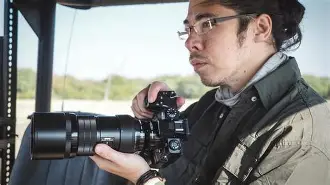
I’d also choose it if you shoot a mix of photos and video, value portability across an entire system, or simply want a camera that feels more resilient and practical.
Who I Think Each Camera Is Really For
The Fujifilm X T30 Iii is for the photographer who wants to enjoy photography more.
The Om System Om 5 Ii is for the photographer who wants fewer limitations in the real world.
That sounds simplistic, but after testing for months, that honestly sums up the decision better than any spec sheet I could quote.
Conclusion
If I had to describe the difference in one sentence, I’d say the Fujifilm X T30 Iii won my heart, while the Om System Om 5 Ii won my trust. I genuinely enjoyed using the Fuji more when I wanted photography to feel creative, relaxed, and rewarding. The colors, controls, and overall shooting experience made it the camera I wanted to take out just because I felt like shooting.
At the same time, I can’t ignore how practical the OM-5 II was. I noticed that in real life, especially on trips or in uncertain weather, it often made more sense. The stabilization alone saved shots I probably would have lost on the Fuji, and the weather sealing gave me the kind of confidence that matters after the honeymoon period wears off.
So which should you buy? If you want the more emotionally satisfying camera for still photography, I’d go with the Fujifilm X T30 Iii. If you want the more versatile and dependable all-rounder, I’d go with the Om System Om 5 Ii. After living with both, I think the right answer comes down to whether you value shooting pleasure more, or practical flexibility more.