Don't Buy Until You Read This: Pc Monitor vs Ut7570 Ut75 Ut7590
The boundary between computer monitors and television sets has never been thinner. As modern display technology evolves, consumers are increasingly caught in a dilemma: should they invest in a dedicated PC monitor or opt for a versatile smart TV like the LG UT7570 or UT7590 series? This decision carries significant implications for eye health, productivity, and entertainment quality. Choosing the wrong display can lead to chronic neck strain, blurry text that hampers work, or a gaming experience marred by sluggish input lag. This article provides a comprehensive deep dive into the technical specifications, real-world ergonomics, and performance nuances of traditional PC monitors versus the LG UT75 series (UT7570, UT7500, and UT7590) to ensure your next purchase aligns perfectly with your lifestyle.
Understanding the Core Philosophy: Monitors vs. TVs
To make an informed choice, one must understand that PC monitors and TVs are engineered for fundamentally different viewing environments. A PC monitor is designed for near-field usage, typically viewed from a distance of 20 to 30 inches. Their engineering focus is on pixel density (PPI), color accuracy for professional workflows, and high refresh rates for competitive gaming. Conversely, the LG UT7570 and UT7590 series are members of the 2024 LG UHD lineup, built primarily for far-field viewing. These displays prioritize brightness, wide-angle viewing for living room setups, and integrated smart features for streaming. While the UT75 series can serve as a computer display, the experience differs significantly from a purpose-built monitor in terms of ergonomics and signal processing.
The LG UT75 Series Under the Microscope (UT7570, UT75, UT7590)
LG’s entry-level 4K UHD lineup for 2024 is comprised of models like the UT7570 and UT7590. These models are largely identical in their core technology—utilizing the alpha 5 AI Processor Gen7—but may vary slightly in stand design or regional distribution. When analyzing these sets, buyers are looking at a budget-friendly way to get 4K resolution at larger scales, typically ranging from 43 to 75 inches.
Visual Performance and Image Processing
The UT75 series utilizes a 4K LCD panel with direct-lit backlighting. Unlike high-end OLEDs or QLEDs, these models do not feature local dimming. This means the entire backlight dims or brightens at once, which can result in "grayish" blacks in a dark room. However, for a brightly lit office or a sun-drenched living room, the UT7570 provides ample brightness. The alpha 5 AI Processor Gen7 is the "brain" here, responsible for upscaling lower-resolution content—like 1080p YouTube videos or cable TV—to 4K. While it does an admirable job for casual viewing, it lacks the surgical precision found in high-end PC monitors or LG's C-series OLED TVs.
Gaming Features and Input Lag
One of the biggest concerns for those considering the UT75 series for gaming is responsiveness. LG has included a "Game Optimizer" menu across the UT7570 and UT7590 models. This allows users to toggle settings like "Low Latency Mode" and "Black Stabilizer." While these TVs support HDMI 2.1 features like ALLM (Auto Low Latency Mode), they are limited to a 60Hz refresh rate. In contrast, many mid-range PC monitors offer 144Hz or 240Hz. For a casual console gamer playing The Legend of Zelda or Call of Duty at 60fps, the UT7570 is excellent. For a competitive PC gamer playing Valorant, the 60Hz cap will feel restrictive.
Connectivity and Smart Ecosystem
The UT7570 and UT7590 shine in their integration with webOS 24. This operating system provides native apps for Discord, GeForce NOW, and every major streaming service. If you use your display as a standalone entertainment hub, the TV wins hands down. Most PC monitors have no operating system; they are "dumb" displays that require a connected device to function. The UT75 series also supports Apple AirPlay 2 and HomeKit, making it easy for Mac users to use the TV as a secondary wireless display, though wired connections are always recommended for serious work.
PC Monitors: The Specialist's Choice
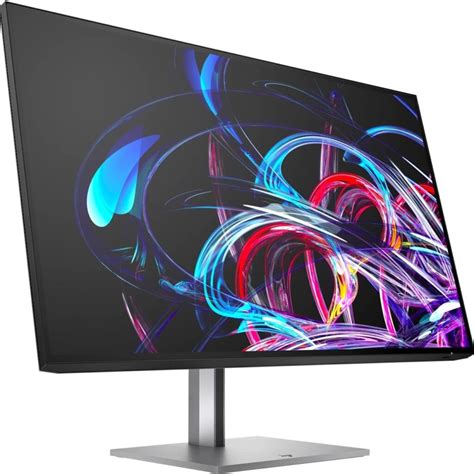
If your primary activity involves reading emails, coding, or graphic design, a PC monitor offers advantages the UT7570 cannot match. The primary factor is pixel pitch. A 27-inch 4K monitor has a much higher pixel density than a 43-inch or 55-inch UT7570. This results in "retina-grade" text clarity. When sitting close to a large TV like the UT7590, you may notice the "screen door effect," where individual pixels become visible, leading to eye fatigue during 8-hour workdays.
Ergonomics and Desk Real Estate
Standard desktop monitors come with stands that tilt, swivel, and adjust in height. The LG UT7570 usually comes with fixed "v-shape" feet. To use a TV as a monitor effectively, you often need to invest in a third-party VESA desk mount to bring the screen to eye level. Furthermore, a 50-inch UT7590 requires a very deep desk (at least 30-36 inches) to prevent "tennis neck," the physical strain of moving your head back and forth to see the corners of the screen.
Detailed Comparison: Specs and Use Cases
To visualize the trade-offs, we must look at how these technical specifications translate into daily tasks. The following table compares a standard high-quality 32-inch 4K PC Monitor against the 43-inch and 55-inch variants of the LG UT75 series.
Find top-rated TVs & Home Theater products at great prices.
See Deals →| Feature | High-End PC Monitor (32") | LG UT7570 / UT7590 (43"-55") |
|---|---|---|
| Pixel Density | High (Approx. 137-160 PPI) | Medium-Low (Approx. 80-100 PPI) |
| Refresh Rate | 144Hz - 240Hz (Common) | 60Hz (Fixed) |
| Input Connections | DisplayPort, USB-C, HDMI | HDMI 2.0/2.1 (mostly 2.0 bandwidth) |
| Chroma Subsampling | Full 4:4:4 support | Needs "PC Mode" for 4:4:4 |
| Smart Features | None (Standard) | webOS 24 (Apps, Games, AI) |
| Audio | Poor / No Speakers | 20W 2.0 Channel (AI Sound Pro) |
| Price per Inch | High | Very Low (Best Value) |
Pros and Cons of the LG UT75 Series (UT7570, UT75, UT7590)
- Pro: Massive Screen Real Estate - Using a 43 or 50-inch UT7570 as a monitor allows you to have four 1080p windows open simultaneously without borders, perfect for multi-tasking and data monitoring.
- Pro: Integrated Smart Features - The ability to switch from a spreadsheet to Netflix or YouTube via remote control makes it a superior choice for dorm rooms or studio apartments.
- Pro: Cost Effectiveness - You can often buy a 55-inch UT7590 for less than the price of a professional 27-inch color-accurate monitor.
- Con: 60Hz Limitation - The lack of high-refresh-rate support makes it unsuitable for professional eSports or high-speed motion tasks.
- Con: Sub-optimal Text Clarity - Without proper calibration (enabling "PC Mode"), the TV may use 4:2:2 or 4:2:0 chroma subsampling, making text look blurry or fringed with odd colors.
- Con: Size-Induced Strain - Larger UT75 models can cause significant eye and neck strain if used on a standard shallow desk.
Pros and Cons of a Dedicated PC Monitor
- Pro: Superior Ergonomics - Built-in height and tilt adjustments are vital for long-term spinal health.
- Pro: Rapid Response Times - Negligible input lag and high refresh rates provide a "fluid" feel to even basic Windows navigation.
- Pro: Productivity Ports - Features like USB-C Power Delivery and built-in USB hubs allow for a one-cable setup with laptops.
- Con: High Cost - Buyers pay a premium for small, densely packed pixels and specialized hardware.
- Con: Lack of Versatility - Viewing movie content is often a cold experience due to smaller sizes and the lack of built-in streaming apps or high-quality speakers.
Real-World Use Cases: Which Should You Choose?
The "right" choice depends on your daily schedule. Let’s look at three typical user profiles and how the LG UT75 series fits their needs.
The "Work from Home" Professional
If you spend 90% of your time in Excel, Slack, and Word, a 32-inch 4K monitor is the safer bet. Text clarity is the single most important factor for reducing headaches. While a 43-inch UT7570 seems like it would provide more "room," the lower PPI means you have to sit further back, which can negate the benefits of the larger screen. However, if you are a creative professional who monitors video feeds or large timelines, the sheer scale of a UT7590 can be a massive asset for seeing the "big picture."
The Console & Casual PC Gamer
If you primarily play on a PlayStation 5 or Xbox Series X and only occasionally plug in a laptop for browsing, the UT7570 is a fantastic value. These consoles are optimized for 60Hz 4K gaming, which aligns perfectly with the UT75 series' capabilities. The "Game Optimizer" ensures that your controller inputs feel snappy, and the HDR10 Pro support adds a level of cinematic punch that many budget office monitors lack.
The Student in a Studio Apartment
For those short on space, the LG UT7570/UT7590 sequence acts as a "chameleon." During the day, it is a massive productivity hub for research papers. At night, it becomes the primary TV for movie nights. This dual-purpose capability saves money and prevents the need for two separate devices. In this scenario, the TV's built-in speakers and webOS interface provide a level of value that a monitor simply cannot match.
Buying Guide: Key Factors to Consider Before You Purchase
If you have decided that the value of the LG UT75 series is too good to pass up, follow these steps to ensure the best possible experience when using it as a PC display.
1. Check Your Desk Depth
Measure your desk. If it is less than 28 inches deep, avoid any screen larger than 43 inches. If you must go larger, consider a wall mount or a floor stand that sits behind your desk. Maintaining a distance of at least 3.5 to 4 feet is essential for a 50 or 55-inch display.
2. Verify Chroma 4:4:4 Support
When you plug a PC into an LG UT7570, the first thing you should do is navigate to the Home Dashboard, select the HDMI input, and change the icon to "PC." This tells the alpha 5 processor to stop applying "film" processing and to support full 4:4:4 chroma subsampling. This is the "magic toggle" that makes text look sharp instead of fuzzy.
3. Consider the Backlight Type
The UT75 series uses a "Direct Lit" panel. This means LEDs are directly behind the screen. While reliable, it makes the TV thicker than "Edge Lit" models. If you plan on a flush wall mount, be aware that the UT7570 will stick out a bit more than a premium OLED or a slim desktop monitor.
Find top-rated TVs & Home Theater products at great prices.
See Deals →4. Evaluate Ambient Light
Do you work in a dark "cave" or a bright room with windows? The UT75 series has a semi-glossy finish. It handles reflections better than many budget TVs, but it can still be reflective compared to the matte finish found on most PC monitors. If you have a window directly behind you, the reflections on a 55-inch UT7590 might be distracting during workday hours.
5. Budget for Extras
Remember that the low price of the UT75 series might be offset by the need for a high-quality HDMI 2.1 cable (to ensure 4K/60Hz stability) and potentially a soundbar if the built-in 20W speakers don't meet your audio needs for music or gaming.
Advanced Technical Differences: UT7570 vs. UT7590
While often grouped together, minor differences exist between the sub-models. The UT7570 is typically the wide-release model found in major big-box retailers. The UT7590 is often a "club" model (sold at Costco or Sam's Club) or a regional variation. Technically, they share the Alpha 5 Gen 7 processor, 60Hz UHD panels, and webOS 24. Always check the specific stand design; some models use a central pedestal which is much friendlier for small desks, while the "dual-pole" feet found on the UT7570 require a desk as wide as the TV itself.
Health and Wellness: The Hidden Cost of the Big Screen
A factor often ignored in the "Monitor vs TV" debate is the impact of blue light and flicker. Professional monitors often feature "Flicker-Free" technology and hardware-level blue light filters that are "Always On" without turning the screen yellow. The LG UT75 series includes a "Blue Light" mode in the settings, but it is a software-based filter. If you are prone to migraines or digital eye strain, the specialized filters of a dedicated monitor like the Asus Eye Care series or Dell UltraSharp might be worth the extra investment over the raw size of an LG UT75.
Conclusion
The decision between a PC monitor and the LG UT75 series (UT7570, UT75, UT7590) isn't about which display is "better" in a vacuum, but rather which tool fits your environment. The LG UT75 series is an incredible value proposition for those who want a massive, vibrant 4K canvas for entertainment, casual gaming, and secondary productivity. Its smart features and AI-driven upscaling make it a superior media machine that can dominate a small room.
However, for the dedicated professional whose life revolves around text, precise color work, or competitive gaming, the compromises of a TV are still present. The 60Hz refresh rate, lower pixel density at close range, and fixed ergonomics mean that a dedicated monitor remains the gold standard for your primary desk setup. If you decide to go with the LG UT75 path, ensure you have the desk depth to support it and the patience to calibrate the "PC Mode" settings. By understanding these technical boundaries, you can avoid the buyer’s remorse that comes from a mismatched display and instead enjoy a setup that enhances both your work and your play.